The Growing Need For Career Counselling In Schools
The world of education and employment is changing rapidly. Students today have access to a far wider range of academic pathways and career opportunities than previous generations. Alongside traditional professions such as medicine, engineering, law, commerce and teaching, students can now explore careers in artificial intelligence, data science, cybersecurity, digital marketing, biotechnology, UX design, renewable energy, entrepreneurship and many other emerging fields. While these opportunities are exciting, they can also make career decisions more complicated. This is why career counselling in schools is becoming an increasingly important part of holistic education.
Schools are no longer expected to focus only on academic performance. They are also responsible for helping students understand their strengths, develop future-ready skills and prepare for life beyond the classroom. A structured school career counsellor programme can play an important role in achieving these objectives.
Why Do Students Need Career Guidance?
One of the biggest challenges students face is the sheer number of choices available to them. A student may perform well academically but still be unsure about which stream, course or career would be most suitable.
Students can also be influenced by parents, friends, social media trends and popular perceptions about successful careers. In many cases, career decisions are made because a particular profession is considered prestigious or financially attractive rather than because it matches the student's interests and abilities.
Professional career guidance for students helps address this challenge by giving students an opportunity to understand themselves before making important academic and career decisions.
Career counselling can help students explore:
- Their interests and areas of curiosity
- Aptitude and academic strengths
- Personality characteristics
- Preferred learning and working environments
- Potential career pathways
- Required skills and qualifications
- Higher education opportunities
- Short- and long-term career goals
This makes career planning a more informed and structured process.
The Changing Career Landscape
The career landscape is evolving rapidly, driven by technology, globalisation, AI and automation. For schools, career counselling for school students must go beyond traditional career choices and introduce students to emerging fields and future-ready skills.
A modern school career counselling programme can expose students to areas such as AI, data analytics, cybersecurity, healthcare technology, digital media, design, sustainability and entrepreneurship. The goal is not to promote trendy careers but to help students align their abilities, interests and education with future opportunities.
The Role of Psychometric Career Assessment
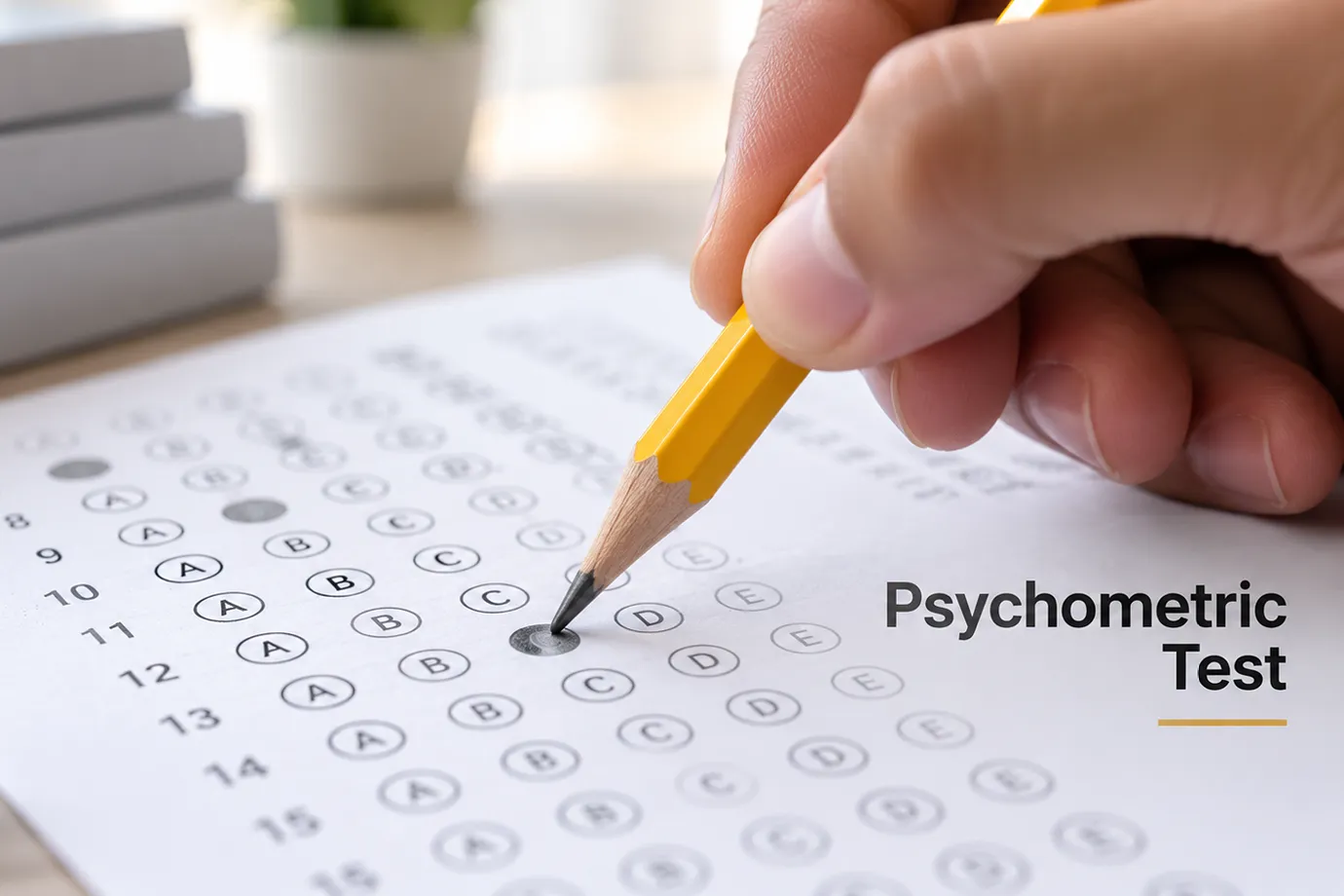
Scientific assessment is becoming an important part of effective career guidance. A psychometric career assessment can provide insights into a student's aptitude, interests, personality and preferences, helping them understand themselves and explore suitable career options.
However, assessment should guide, not decide a student's career. A career assessment for students is most effective when its results are professionally interpreted and followed by counselling. Combining scientific career assessment with human guidance makes career planning more personalised and meaningful.
Why Every School Needs a Career Counsellor
Teachers understand students' academic progress, interests and behaviour, but specialised career counselling requires additional expertise. A trained school career counsellor can provide career awareness sessions, assessments, individual counselling, parent interactions and academic planning.
Career guidance should be proactive, not limited to students who are confused about their future. Schools can introduce counselling during key stages such as subject selection, post-Class 10 and Class 12 planning, higher education decisions and career exploration.
Early and structured guidance helps students make more informed and confident career decisions.
The Importance of Parent Counselling
Students are not the only people who need career guidance. Parents also play a significant role in career decision-making.
Many parents naturally want the best for their children but may rely on their own experiences or limited knowledge of today's career landscape. Sometimes, parental expectations can unintentionally create pressure for students.
A professional career counselling programme for schools can include parent orientation workshops where families learn how to support students without imposing a particular career choice.
Counsellors can help parents understand the importance of considering aptitude, interests, personality, aspirations and realistic career opportunities. Such conversations can create greater alignment between students, parents and schools.
Teachers as Career Counsellors
Teachers are uniquely positioned to support career development because they spend considerable time with students. They observe academic performance, classroom participation, interests, communication styles and learning patterns over an extended period.
With appropriate career counselling training for teachers, educators can develop additional skills to support students with career guidance.
A Teacher Career Counsellor Programme can equip educators with knowledge of career counselling, psychometric assessment, report interpretation, communication, parent counselling and ethical practices.
This does not mean that teachers must replace specialised psychologists or counsellors where specialist intervention is required. Instead, trained teachers can strengthen the school's first-line career guidance capability and identify situations that require additional professional support.
Benefits for Schools
A structured career guidance programme can provide several benefits to educational institutions.
It can contribute to:
- Better student self-awareness
- More informed academic decisions
- Greater parent engagement
- Improved student confidence
- Increased awareness of career opportunities
- Stronger teacher capabilities
- A more holistic approach to student development
Career guidance can also become an important part of a school's overall student-support ecosystem.
When schools demonstrate that they are invested not only in examination results but also in students'; long-term futures, they create a more meaningful educational experience.
Building a Future-Ready Career Guidance Ecosystem
Effective career counselling in schools should not be treated as a one-day seminar. A more effective approach is to create a continuous career guidance ecosystem.
For example, a school can develop an annual programme that includes career awareness sessions, student assessments, individual counselling, parent workshops, teacher training, career fairs, industry interactions and follow-up sessions.
This approach allows students to revisit their aspirations as they grow and gain new information.
The role of the counsellor is also evolving. A modern counsellor is not simply someone who recommends courses. They are a facilitator who helps students understand themselves, ask better questions, explore possibilities and develop practical action plans.
How AptMentors Can Support Schools
The AptMentors Teacher Career Counsellor Programme is designed to help educators develop the knowledge and capabilities required to provide structured career guidance to students.
The programme focuses on professional training, certification, career assessment, counselling skills, parent communication and practical guidance. It can help schools build greater internal capacity for career counselling while giving educators an opportunity to develop specialised professional expertise.
By empowering teachers to become trained career counsellors, schools can create a stronger connection between classroom learning, student development and future career planning.
Conclusion
The growing need for career counselling in schools reflects a fundamental change in education. Students no longer need only information about careers-they need guidance to understand which possibilities may be appropriate for them and how to move towards their goals.
With rapidly changing industries, expanding career choices and increasing parental expectations, structured career guidance for students is becoming an essential part of holistic education.
Schools that invest in professional career counselling for school students, scientific assessment and trained educators can help students make more informed decisions while preparing them for an uncertain but opportunity-rich future.
The ultimate goal of career counselling is not to decide a student's future for them. It is to give students the self-awareness, information, confidence and guidance they need to make their own informed choices.