How Scientific Psychometric Assessments Help Students Choose The Right Career
Choosing a career is one of the most important decisions a student makes. Yet, many students begin this process without a clear understanding of their strengths, interests, personality or the wide range of career opportunities available to them. Academic marks alone cannot always provide the complete picture.
This is where psychometric assessment for students can play an important role. When used as part of professional career counselling, a structured assessment can help students develop self-awareness, explore suitable career pathways and make more informed academic and career decisions.
A psychometric career assessment does not predict a student's future or automatically assign a profession. Instead, it provides useful insights that can support a meaningful conversation between the student, counsellor and parents.
What Is a Psychometric Career Assessment?
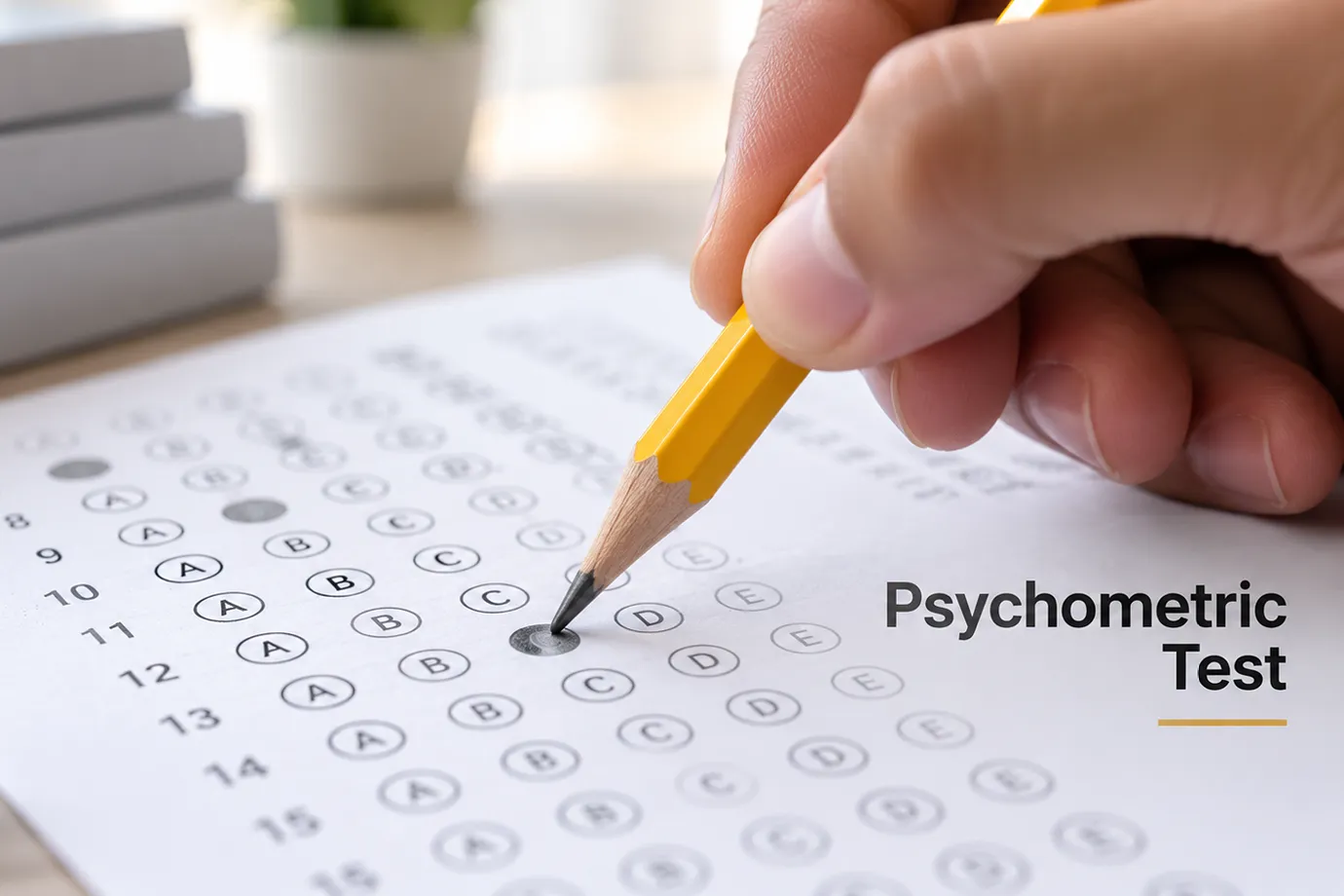
A psychometric career assessment is a structured assessment designed to understand different aspects of a student's profile. Depending on the assessment framework, it may examine areas such as aptitude, interests, personality characteristics, preferences and other relevant dimensions.
A scientific career assessment can help convert subjective questions such as "What am I good at?" or "Which career suits me?" into a more structured starting point for exploration.
For example, a student may believe that they want to pursue a particular career because their friends are choosing it. An assessment may reveal different areas of interest or strengths that encourage the student to explore additional possibilities.
The assessment does not make the decision. It helps the student ask better questions.
Why Do Students Need Career Assessment?
Students today face an enormous range of choices. Alongside conventional careers in medicine, engineering, commerce, law and education, there are opportunities in artificial intelligence, data science, cybersecurity, digital media, biotechnology, design, sustainability and entrepreneurship.
This expanding career landscape can create opportunity as well as confusion.
A career assessment for students can help organise this exploration by providing insights into the individual rather than starting with a generic list of popular careers.
It can help students a clearer understanding of their key strengths, areas of interest and personal preferences. It can also help them explore how their preferences may align with different work environments, identify suitable career clusters worth considering, recognise the skills they may need to develop further, and understand which academic pathways, courses or educational choices could support their long-term career goals.This makes career exploration more personalised.
What Does a Psychometric Assessment Measure?
A good assessment should provide meaningful information across relevant dimensions rather than focusing on a single score.
Aptitude
Aptitude relates to a student's potential or ability in particular areas. Depending on the assessment, this may include reasoning, numerical ability, verbal ability, spatial reasoning or other cognitive skills.
Interests
Interests help identify the subjects, activities or areas a student naturally enjoys exploring.
For example, one student may be drawn towards technology and problem-solving, while another may enjoy communication, creativity or working with people.
Personality
Personality-related insights can help students reflect on their preferred ways of working, interacting and approaching tasks.
Preferences
Understanding preferred environments, activities and work styles can add another dimension to career exploration.
When these elements are considered together, they can provide a more complete picture of the student.
How Psychometric Tests Help Students Choose a Career
One of the biggest advantages of a psychometric test for career choice is that it encourages students to look beyond marks and social expectations.
For example, consider a student who performs well in mathematics and is therefore being encouraged to pursue engineering. However, the student's assessment may show a strong interest in design, communication and creative problem-solving.
This does not mean engineering is unsuitable. Instead, it opens the door to a broader conversation around areas such as architecture, product design, UI/UX, technology design or other interdisciplinary pathways.
The process becomes:
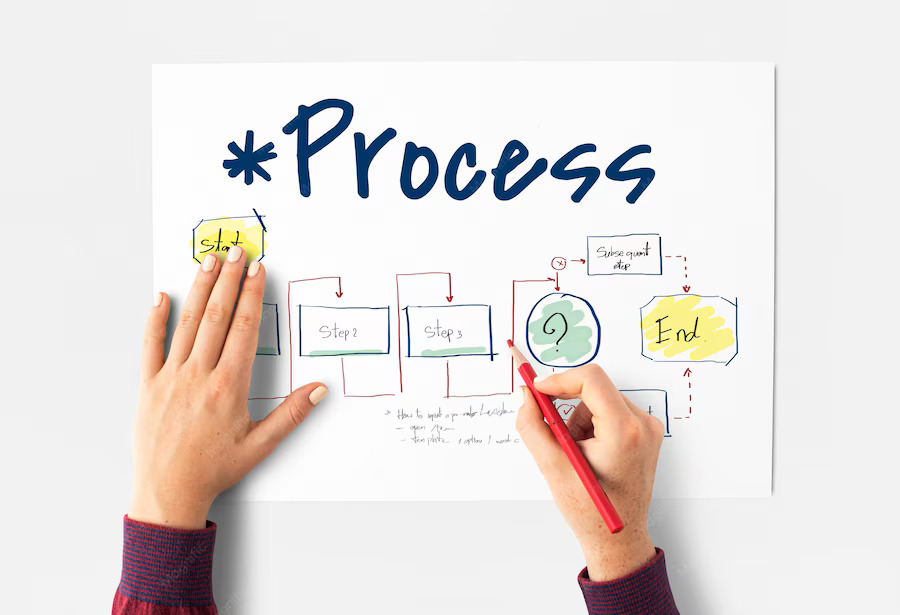
Self-awareness → Career Exploration → Research → Counselling → Decision-Making → Action Plan
This is far more useful than simply asking, "Which career has the highest salary?"
Psychometric Assessment and Career Counselling Work Together
A psychometric assessment for career guidance is most effective when combined with professional counselling.
The assessment provides structured information. The counsellor provides context.
During a counselling session, the counsellor can explain what the assessment results indicate and what they do not indicate, while connecting the findings with the student’s aspirations, interests and strengths. The counsellor can then help the student identify career areas worth exploring, understand the relevant academic pathways, identify any additional information or skills they may need, and develop practical next steps for further career exploration and planning.
This is why career counselling and psychometric assessment should ideally work together.
The counsellor should never simply hand a student a report and say, "This is your career."
Instead, the report should become a starting point for a deeper conversation.
Can Psychometric Assessment Help After Class 10?
Yes, psychometric assessment can be particularly useful during important academic transitions, provided it is appropriate for the student's age and the assessment is interpreted responsibly.
After Class 10, students often face questions about subject or stream selection. They may be deciding between science, commerce, humanities, vocational education or other pathways.
A career test for school students can help them reflect on their strengths and interests before making these decisions.
However, students should also consider academic performance, aspirations, available courses, financial and educational circumstances, and the requirements of potential career pathways.
Assessment should support the decision-not make it on the student's behalf.
The Importance of Professional Interpretation
A common misconception is that a psychometric assessment can independently tell a student exactly what career to choose.
This is not how responsible career assessment should work.
Even a strong result needs context.
Suppose a student receives a high score in a particular aptitude area. The counsellor should explore:
Does the student enjoy using this ability?
Does the student want to pursue related activities?
What academic pathways are available?
What careers use these strengths?
What skills need further development?
This process transforms assessment data into meaningful career guidance for students.
How Assessment Supports Parents
Parents often have a significant influence on students' career decisions. Sometimes this influence is helpful; sometimes it can unintentionally create pressure.
A structured career assessment for students can provide an objective starting point for conversations between parents and children.
Instead of saying:
"You should become a doctor because you score well in science,"
parents can discuss:
"Let's understand your strengths, interests and possible pathways and explore what might suit you."
This encourages collaborative decision-making rather than imposing a predetermined career.
The Role of Schools and Career Counsellors
Schools can play a major role in creating an informed career guidance ecosystem.
A school career counsellor can integrate career assessment with career awareness programmes, individual counselling, and parent orientation sessions to provide students with comprehensive guidance. They can also support students through subject and stream guidance, organise career seminars, assist with higher education planning and facilitate career exploration activities, helping students make informed and confident decisions about their academic and professional future.
Teachers can also be trained to identify students who may need additional career guidance and refer them appropriately.
A structured school career counselling programme therefore becomes more than an occasional career seminar. It becomes an ongoing support system for student development.
Psychometric Assessment Should Not Be the Only Factor
It is important to remember that there is no single test that can capture everything about a student's future.
Career decisions should consider multiple factors, including:
- Aptitude
- Interests
- Personality
- Academic performance
- Skills
- Aspirations
- Values
- Educational opportunities
- Career information
- Changing industry requirements
Therefore, scientific career assessment should be viewed as one component of a broader career planning process.
The goal is not to find one "perfect" career. The goal is to help students identify suitable possibilities and make informed choices.
Building Better Career Decisions with AptMentors
At AptMentors, career assessment can be positioned within a broader student counselling framework where assessment insights are connected with professional guidance and career exploration.The objective is to help students understand themselves, explore possibilities and develop practical next steps.For educators, developing expertise in career assessment and counselling can also create an opportunity to play a more specialised role in student development.Through appropriate career counselling training for teachers, educators can build skills in student communication, assessment understanding, report interpretation and career guidance.
This strengthens the connection between the classroom and the student's future.
Conclusion
Choosing the right career should not be based solely on examination marks, parental expectations, peer influence or the popularity of a profession.
A psychometric assessment for students can provide valuable insights into aptitude, interests, personality and preferences, helping students develop greater self-awareness.
When combined with professional career counselling, these insights can help students explore relevant career pathways, understand their academic choices and develop realistic action plans.
The most important point is that a psychometric assessment does not decide a student's future.
It helps students understand themselves better so they can make better decisions about their future.
That is the real value of scientific assessment in modern career guidance.